Eco-Friendly Approaches: How E-Waste Recycling Services Are Preserving Our Planet
Electronic waste presents serious dangers to the environment, as discarded electronics often contain toxic materials. These hazardous substances can contaminate soil and water, causing extensive damage to surrounding ecosystems. E-waste recycling services present a Read more viable solution. They serve the dual purpose of reclaiming precious materials and reducing contamination. Comprehending the operation of these services and their influence on communities is of great importance. Pursuing efficient e-waste management brings forth pressing questions regarding individual duties and shared responsibility. What steps can be taken next?
How E-Waste Is Hurting the Planet
Even though technology enhances contemporary living, e-waste creates serious threats to the environment. Discarded electronic devices, often containing toxic substances including lead, mercury, and cadmium, are capable of seeping pollutants into soil and groundwater, presenting dangers to human health and ecosystems. The accelerating rate of technological innovation results in greater consumer replacement of electronic devices, intensifying the growing problem of electronic waste.
Landfills, already strained by waste, are unable to keep up with the rising quantities of abandoned electronics. Incineration, another disposal method, releases harmful pollutants into the atmosphere, contributing to air quality degradation. Furthermore, inadequate recycling methods can result in the shipment of electronic waste to underdeveloped nations, where workers may break down equipment without proper protective measures, putting themselves at risk of exposure to hazardous materials. This ongoing cycle of carelessness and inadequate management emphasizes the pressing necessity for responsible recycling initiatives that can lessen the harmful consequences of e-waste on our world.
What Is E-Waste and Its Importance?
E-waste, or electronic waste, includes unwanted electronic equipment including televisions, computers, and smartphones that are no longer functional or needed. This rapidly expanding waste category is noteworthy owing to its accelerating volume, driven by technological advancements and consumer trends. With an increasing number of devices reaching obsolescence, the ecological consequences become more pronounced, with dangerous elements including lead, mercury, and cadmium threatening both ecosystems and public health.
Addressing e-waste is crucial not only for reducing these dangers but also for acknowledging the precious materials found within it. Valuable metals and rare earth materials can be extracted and repurposed, lessening the demand for mining and preserving natural resources. With a thorough understanding of e-waste and its impact, people and organizations alike can make educated decisions about disposal and recycling, helping to build a more sustainable world. Responsible management of e-waste plays a key role in supporting a circular economy and championing environmental stewardship.
How the E-Waste Recycling Process Works
Recycling e-waste involves a structured approach intended to extract beneficial components while reducing harm to the environment. At the outset, electronic waste is gathered and delivered to purpose-built recycling plants. After reaching the facility, the equipment is meticulously organized to distinguish harmful elements from reusable resources.
Subsequently, technicians dismantle the electronics, separating metals, plastics, and glass. This phase is essential, as it facilitates the extraction of high-value metals like silver, gold, and copper, which are repurposed in new electronics.
Afterward, the isolated materials are handled with cutting-edge techniques, such as chemical treatments and shredding, to prepare them for recycling.
Finally, the residual dangerous materials are managed properly, following eco-friendly standards. This systematic method not only preserves valuable resources but also reduces the dangers connected to improper e-waste disposal, ensuring a more sustainable future for the consumption of electronics.
The Benefits of E-Waste Recycling for You and Your Community
While many individuals may not realize it, the benefits of e-waste recycling reach well past personal use to meaningfully influence entire communities. By responsibly disposing of electronic waste, individuals help foster a cleaner environment, reducing harmful substances that can leach into soil and water. This proactive approach works to protect local ecosystems and supports public health.
Additionally, e-waste recycling promotes the creation of jobs in communities. Community recycling operations commonly require workers for a range of functions, from collection to processing, thereby providing employment opportunities to area workers. This not only enhances the community economy but also promotes community participation in sustainable initiatives.
Furthermore, understanding of e-waste recycling can lead to educational initiatives, encouraging residents to make environmentally conscious decisions. By engaging with e-waste recycling programs, individuals promote a culture of sustainability, encouraging others to join the movement. Overall, the shared impact of these actions can lead to a more strong and environmentally aware community.
How to Pick an E-Waste Recycling Service
Selecting the best e-waste disposal service is vital for guaranteeing that electronic waste is handled in a responsible and sustainable manner. First, people should confirm the service's accreditations, such as R2 or e-Stewards, which signify adherence to professional guidelines for responsible recycling methods. It's also important to evaluate the organization's reputation by checking reviews and obtaining advice from dependable sources.
Furthermore, transparency in the recycling process is vital. A trustworthy company should supply straightforward details about the manner in which e-waste is managed and how the materials are utilized. Furthermore, evaluating the range of services offered can be beneficial; certain providers may offer collection services or present rewards for recycling.
Ultimately, learning about local regulations regarding e-waste disposal can further guide the decision-making process. When these considerations are given priority, individuals can contribute to efficient electronic waste handling while supporting green and responsible behaviors.
How You Can Take Part in E-Waste Recycling?
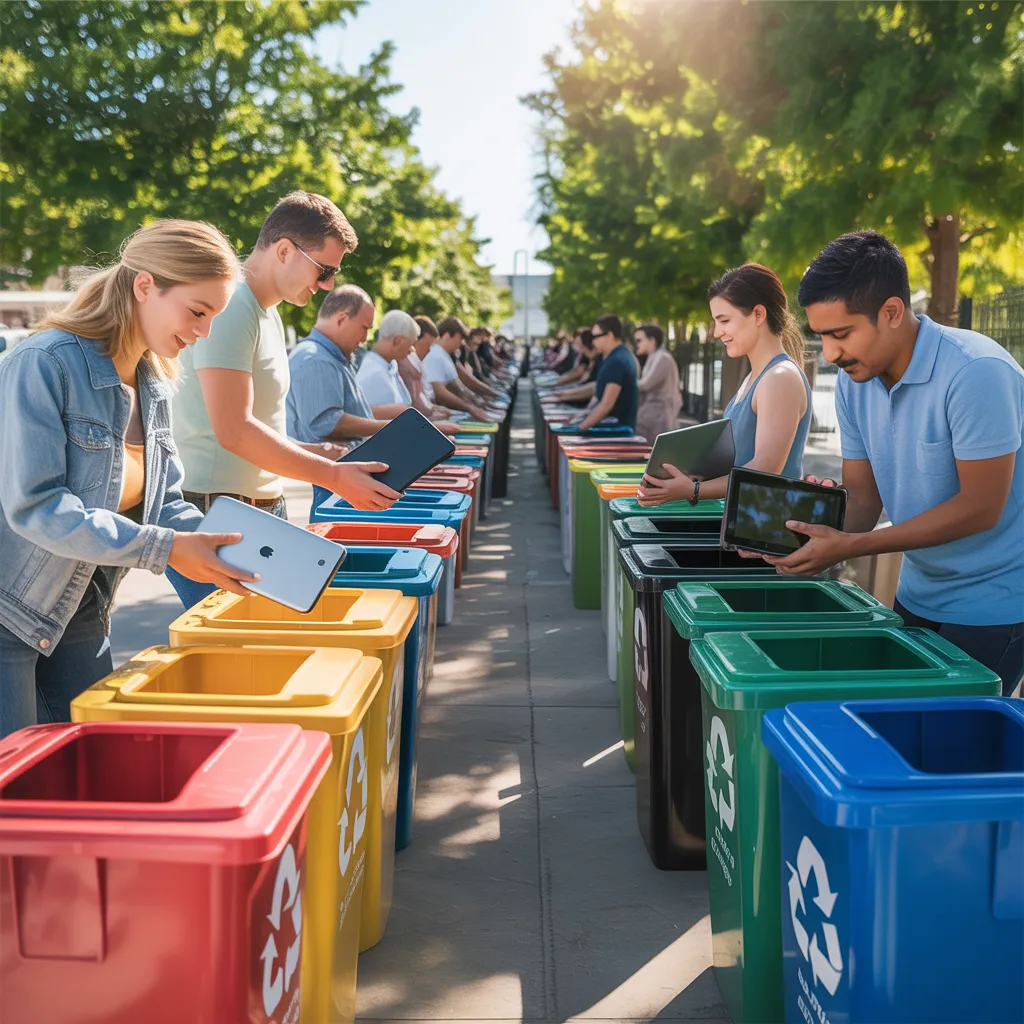
Engaging in e-waste recycling can start at the local level, where community recycling hubs regularly supply essential services for responsible disposal. Furthermore, taking part in community awareness campaigns can amplify efforts to raise awareness about the importance of proper e-waste handling. Such efforts not only encourage sustainable practices but also build a collective sense of accountability for the environment.
Area Recycling Stations
A wide range of regional recycling hubs play an essential role in e-waste recycling, giving communities practical solutions to handle electronic waste in a responsible manner. These stations receive a range of electronic equipment, including old computers, smartphones, and televisions, ensuring that harmful materials are handled safely. The majority of facilities employ qualified professionals who can guide individuals on proper disposal methods, emphasizing the importance of recycling over landfilling. Additionally, various hubs coordinate scheduled drop-off occasions or specific collection dates, allowing residents to take part with ease. Through the use of these community services, people help build a circular economy, decreasing environmental damage and advancing sustainable approaches. Partnering with these facilities allows communities to address e-waste pollution proactively.
Public Awareness Initiatives
Local organizations, schools, and businesses can work together to organize events that support e-waste collection drives. Volunteers can play a pivotal role in promoting knowledge, handing out educational content, and interacting with the surrounding community. Through these collective efforts, residents become more informed and motivated to recycle their electronic waste, thus playing a meaningful role in creating a more environmentally responsible future.
Answers to Your Most Common Questions
What Kinds of Electronics Can Be Recycled?
Numerous electronics may be recycled, including computers, smartphones, televisions, laptops, gaming consoles, and printers. In addition, ancillary devices such as keyboards, mice, and batteries are well-suited for recycling, aiding in efforts to conserve the environment.
Are There Fees Involved With E-Waste Recycling?
That's correct, e-waste disposal sometimes comes with fees, subject to the facility. Some facilities apply costs for pickup or handling, while some providers offer free services, frequently supported by the sale of reclaimed components.
How Can Businesses Benefit From E-Waste Recycling?
Organizations can gain from e-waste recycling by minimizing disposal costs, strengthening their ecological standing, complying with regulations, reclaiming useful materials, and creating potential earnings via resale, ultimately contributing to a more sustainable operational strategy.
What Happens to Data on Recycled Devices?
Details on recycled devices is frequently completely removed or destroyed during the refurbishment process. This confirms private details is kept safe, stopping improper access while enabling resources to be recycled securely and sustainably within new applications.
Can I Recycle Broken Electronics?
Absolutely, damaged electronics are able to be recycled. Several facilities take in defective devices, ensuring safe disposal and extraction of useful materials. Doing so helps lower the environmental footprint while fostering eco-friendly recycling methods to address electrical waste effectively.
Comments on “Complete Guide to Electronics Recycling”